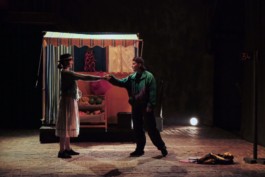
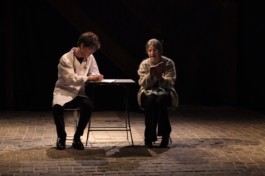
To you, whom I will never meet, to you who will eat the sun-ripened fruits of my country, to you who think I am nothing more than a peasant laborer for your consumption, remember—oh, remember—that my skin is made of leather.
My skin is made of leather
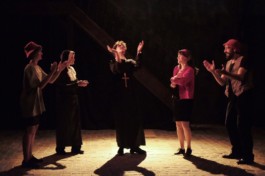
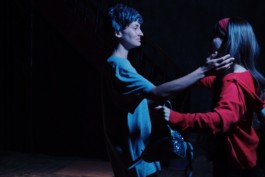
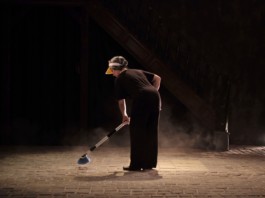
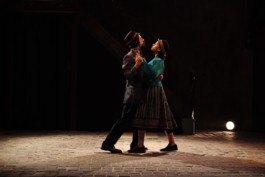
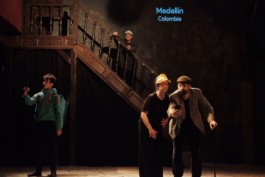
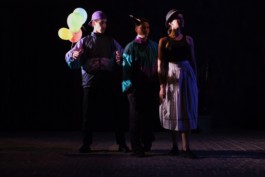
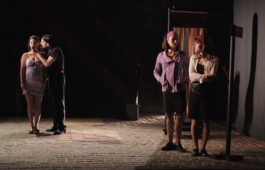
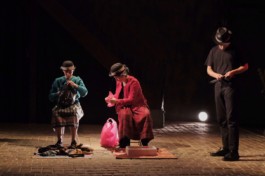
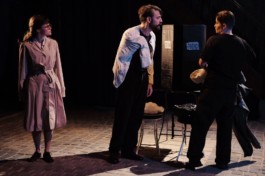
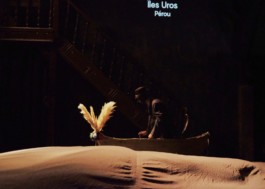
On the shores of Lake Titicaca in Peru live Susana and her fisherman husband. Susana sings, knits, and hopes for a little girl. At the airport in Medellín, Colombia, Grandma Teresa feels a lump in her throat as she kisses her grandson one last time before he leaves. In La Vega, a favela in Caracas, Venezuela, Sofia dances and dreams of a life elsewhere. In Buenos Aires, Argentina, Matias is about to celebrate his fifteenth birthday, and then in Paris there is Rosa, an elderly Italian woman who used to be a piano teacher. Nothing predestined them to meet, and then life threw them a curveball.
Text and Direction: Léa Corbex
Cast: Line Ancel, Léa Corbex, Emma Gagnadoux, Paul Labourgade, Pascal Lacoste, Charlotte Thiechart, alternating with Gabrielle Mouhanna and Pablo Reva
Artistic Collaboration: Atelier Juliette Moltes
Costume Design: Christine Couton Chameron
Lighting Design: Marine Flores
Set Design Assistance: Aurélie Roland
Photography: Ondine Simon
Sound design: Baptiste Péron
Video design & subtitling: Hanan Zbirta El Moujahid
Set construction: Jean Jacques Couton
Production: Compagnie Reina Gisèle
Press officer: Elodie Kugelmann
Administrative management: Quentin Moenne Loccoz
Creation
Press
Manufacture des Abbesses 2023
Issue — Read the feature — Read the magazine
Images


Teaser
Author's Note
The air is mild; in the distance, I hear Andrea dancing. I let myself be lulled by the music coming from the car stopped at the red light. It’s 2014, and it’s summer in Buenos Aires. I’ve been living there for several years and have started working on a documentary. Who are these people who’ve come from all over the world? What have they come to Argentina for? I interview them, film them, and listen to their stories. I listen to the beauty, the cruelty, the pain at times, the modesty, and the difficulty of speaking. There is no desire to please, no costumes, no artifice. Only the desire to tell who they truly are. Life is a perpetual succession of encounters, of chance meetings, or of rendezvous, as Paul Éluard so aptly puts it. I had a rendezvous with stories that would leave a mark on my life.
March 2015, La Vega, a favela in Caracas, Venezuela. I live there with my in-laws. The country is going through an unprecedented crisis. Supermarket shelves are nearly empty, there are no more medicines, water is rationed, and inflation is hitting record highs. My father-in-law supports the Maduro government; the other family members do not. The discussions are deep and complex. Soon, brothers and sisters, parents, and cousins will be separated. The youngest will have to leave, go earn a living in neighboring countries, and send money to their elders. For me, this will be followed by years of living in Colombia. An encounter with the beautiful, the ugly, the marvelous, the sometimes unthinkable, and so many stories to tell. The documentary format no longer seemed appropriate to me. All these destinies I wanted to speak of could not intersect in this life, but theatrical writing allowed for their meeting. The one who, at the end of the world, cultivates the land will never meet the one whose stomach he feeds; but if they were to meet, what would they tell each other?
Thus the idea for the project was born. The writing style was inspired by the Mexican filmmaker Alejandro González Iñárritu and his film Babel. We discover countries and characters whose connections to one another we only understand later. Everything comes together as the story unfolds.
I am no one’s spokesperson; I have not been tasked with anything, but ever since I was a child, I have loved stories. Telling them, inventing them, or acting them out. I love writing, theater, and music because they convey emotions. Holding one’s breath, hearing hearts beat in unison, laughing, and sometimes crying as well. My Skin Is Made of Leather tells a story of self-discovery, identity, the unknown, doubt, loneliness, laughter, solidarity, and hope. These feelings run through the characters, shake them to their core, and lead them to question themselves and the world. The characters in this story are real and are aware of the project’s existence. Through video, they sent messages to the actors. An invisible bond that comes to light. This is not merely about their own lives; they are universal because they are human, complex, multifaceted—what it means to be human in all our diversity.
Practical Information
A show for all ages, ages 10 and up.
Number of actors
: 6
Testimonials
John (Colombian) — Buenos Aires, Argentina
Adaire (from Venezuela) — Buenos Aires, Argentina
References
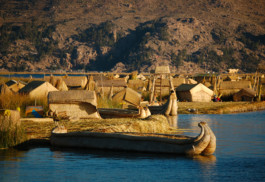
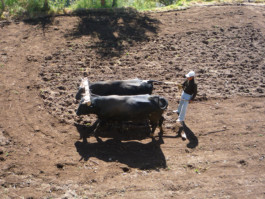
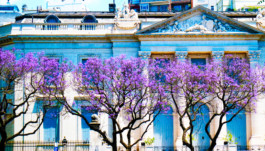
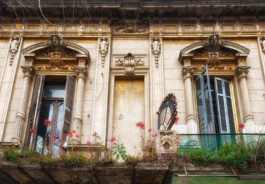
Pérou — Iles Uros
Pérou — Agriculteur
Argentine — Buenos Aires
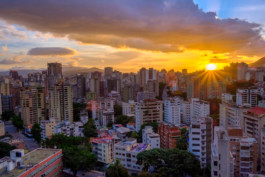
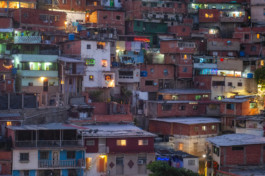
Vénézuela — Caracas
Vénézuela — Caracas
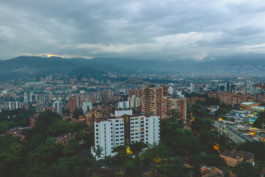
Colombie — Medellin
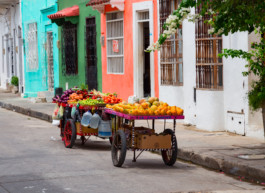
Colombie — Carthagène
Venezuela — Firefighters Running Out of Gas
We’d like to believe that this story isn’t true, but it is. They have no protective gear, no vehicles, and no fuel. They have practically nothing but their bare hands to help.
Colombia — The War on Prostitution
A few years ago, there were major problems between Venezuelan and Colombian sex workers. The Venezuelans were charging lower prices, which sparked a feud between them. In an effort to keep the situation as “peaceful as possible,” they agreed on a minimum rate that they cannot undercut.
To you, whom I will never meet, to you who will eat the sun-ripened fruits of my country, to you who think I am nothing more than a peasant laborer for your consumption, remember—oh, remember—that my skin is made of leather.
My skin is made of leather
Text and Direction: Léa Corbex
Cast: Line Ancel, Léa Corbex, Emma Gagnadoux, Paul Labourgade, Pascal Lacoste, Charlotte Thiechart, alternating with Gabrielle Mouhanna and Pablo Reva
Artistic Collaboration: Atelier Juliette Moltes
Costume Design: Christine Couton Chameron
Lighting Design: Marine Flores
Set Design Assistance: Aurélie Roland
Photography: Ondine Simon
Sound design: Baptiste Péron
Video design & subtitling: Hanan Zbirta El Moujahid
Set construction: Jean Jacques Couton
Production: Compagnie Reina Gisèle
Press officer: Elodie Kugelmann
Administrative management: Quentin Moenne Loccoz
On the shores of Lake Titicaca in Peru live Susana and her fisherman husband. Susana sings, knits, and hopes for a little girl. At the airport in Medellín, Colombia, Grandma Teresa feels a lump in her throat as she kisses her grandson one last time before he leaves. In La Vega, a favela in Caracas, Venezuela, Sofia dances and dreams of a life elsewhere. In Buenos Aires, Argentina, Matias is about to celebrate his fifteenth birthday, and then in Paris there is Rosa, an elderly Italian woman who used to be a piano teacher. Nothing predestined them to meet, and then life threw them a curveball.
Press
Manufacture des Abbesses 2023
Issue — Read the feature — Read the magazine
Teaser
Images


Testimonials
John (Colombian) — Buenos Aires, Argentina
Adaire (from Venezuela) — Buenos Aires, Argentina
References


Pérou — Iles Uros
Pérou — Agriculteur
Argentine — Buenos Aires
Vénézuela — Caracas
Vénézuela — Caracas
Colombie — Medellin
Colombie — Carthagène
Venezuela — Firefighters Running Out of Gas
We’d like to believe that this story isn’t true, but it is. They have no protective gear, no vehicles, and no fuel. They have practically nothing but their bare hands to help.
Colombia — The War on Prostitution
A few years ago, there were major problems between Venezuelan and Colombian sex workers. The Venezuelans were charging lower prices, which sparked a feud between them. In an effort to keep the situation as “peaceful as possible,” they agreed on a minimum rate that they cannot undercut.

Argentine — Graffiti
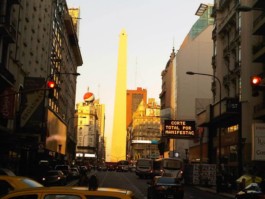
Argentine — Buenos Aires
Author's Note
The air is mild; in the distance, I hear Andrea dancing. I let myself be lulled by the music coming from the car stopped at the red light. It’s 2014, and it’s summer in Buenos Aires. I’ve been living there for several years and have started working on a documentary. Who are these people who’ve come from all over the world? What have they come to Argentina for? I interview them, film them, and listen to their stories. I listen to the beauty, the cruelty, the pain at times, the modesty, and the difficulty of speaking. There is no desire to please, no costumes, no artifice. Only the desire to tell who they truly are. Life is a perpetual succession of encounters, of chance meetings, or of rendezvous, as Paul Éluard so aptly puts it. I had a rendezvous with stories that would leave a mark on my life.
March 2015, La Vega, a favela in Caracas, Venezuela. I live there with my in-laws. The country is going through an unprecedented crisis. Supermarket shelves are nearly empty, there are no more medicines, water is rationed, and inflation is hitting record highs. My father-in-law supports the Maduro government; the other family members do not. The discussions are deep and complex. Soon, brothers and sisters, parents, and cousins will be separated. The youngest will have to leave, go earn a living in neighboring countries, and send money to their elders. For me, this will be followed by years of living in Colombia. An encounter with the beautiful, the ugly, the marvelous, the sometimes unthinkable, and so many stories to tell. The documentary format no longer seemed appropriate to me. All these destinies I wanted to speak of could not intersect in this life, but theatrical writing allowed for their meeting. The one who, at the end of the world, cultivates the land will never meet the one whose stomach he feeds; but if they were to meet, what would they tell each other?
Thus the idea for the project was born. The writing style was inspired by the Mexican filmmaker Alejandro González Iñárritu and his film Babel. We discover countries and characters whose connections to one another we only understand later. Everything comes together as the story unfolds.
I am no one’s spokesperson; I have not been tasked with anything, but ever since I was a child, I have loved stories. Telling them, inventing them, or acting them out. I love writing, theater, and music because they convey emotions. Holding one’s breath, hearing hearts beat in unison, laughing, and sometimes crying as well. My Skin Is Made of Leather tells a story of self-discovery, identity, the unknown, doubt, loneliness, laughter, solidarity, and hope. These feelings run through the characters, shake them to their core, and lead them to question themselves and the world. The characters in this story are real and are aware of the project’s existence. Through video, they sent messages to the actors. An invisible bond that comes to light. This is not merely about their own lives; they are universal because they are human, complex, multifaceted—what it means to be human in all our diversity.
Practical Information
A show for all ages, ages 10 and up.
Number of actors
: 6